That Crazy French Woman
The True Cost of Becoming a Master of Wine.
My Journey Through WSET, the MW Program, and Building a Career in Natural Wine
My partner asked me a question over dinner three years ago. He wanted to know what the wine education was costing us. I gave him a figure off the top of my head. It was wrong, badly, by a factor of four, and I only discovered that later when I sat down and built the spreadsheet I should have built at the start. Because of that spreadsheet, I can give you figures here rather than impressions.
So here are the numbers. Everyone quotes the fees. The fees are the small part.
Starting with WSET
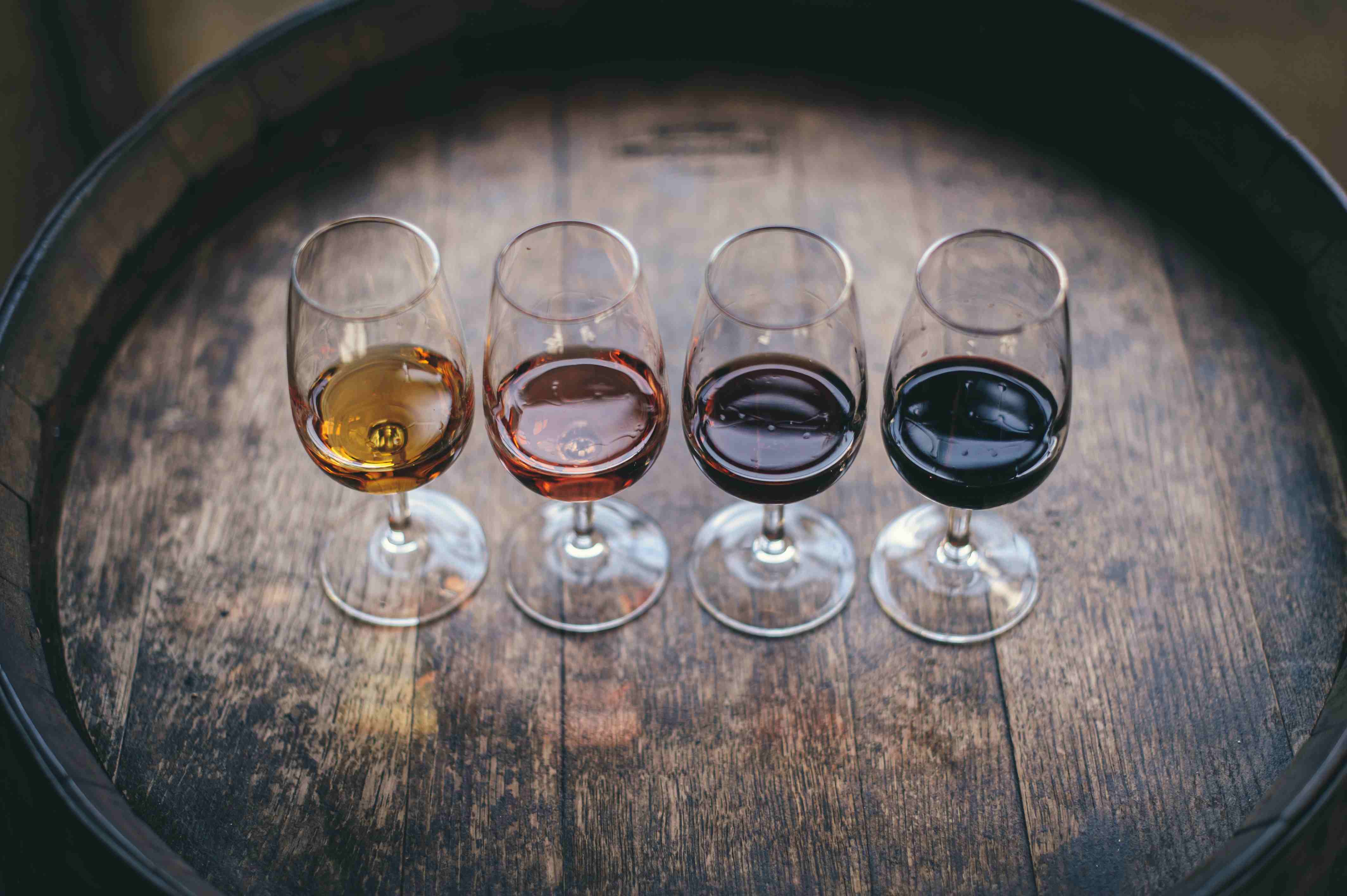
The Wine and Spirit Education Trust runs four levels. Level 1 took me a single afternoon. I learned that Sauvignon Blanc carries a note of cut grass, paid somewhere around $300, and went home with a certificate I have never once shown anyone.
Level 2 cost more and asked more, two or three days and a closed-book exam, somewhere in the $600 to $900 range depending on the city. I treated it as a formality. That was a mistake I corrected at Level 3.
Level 3 is the one that separates the people who want this from the people who like wine. The exam pairs a blind tasting with a written paper, and the paper fails confident people every year. Budget ~$1,200-$2,000, and budget the resit on top, because a quarter of candidates will sit it twice. If Level 3 drains you, stop there. The Master of Wine program will do far worse for far more money, and $1,500 is a cheap way to learn that about yourself.
The Diploma, Level 4, is a different commitment altogether. Eighteen months to three years, six units, a course fee between $4,000-$6,000. My Diploma came to just under $11,000 once I counted the wine I bought to practice with, and barely a third of that reached the WSET. The rest went to bottles and travel, which is the pattern that holds for everything that came after.
Run the full WSET ladder and the fees alone will cost $6,000 to $9,000. The honest figure, with travel and sample bottles and the exams you retake, is closer to $12,000.
The Master of Wine years
The Institute of Masters of Wine does not publish a tidy number, and after four years inside the program I understand the silence. The annual fee sits above £8,000. You pay it for a minimum of three years. Almost nobody finishes in three. Five or six is normal, and I know several candidates I admire who have been at it past the decade mark.
The fee is the published cost. Three others are built into the program and rarely mentioned, and together they dwarf it.
There are the residentials first, several days in a wine region two or three times a year, which means flights and hotels and restaurant meals. I budget £1,500 a residential and I am usually short. There is the tasting group, which is not optional, because no one passes the practical exam without tasting in a group every week for years. Twelve serious bottles on the table each session, my share around £60, which comes to roughly £3,000 across a year of weeks. And there is the research paper, the final component, an original piece of work. Mine sent me to three countries to interview growers, and I paid for every flight and every hour of transcription myself. The paper alone cost close to £4,000.
A candidate who finishes in five years will spend between £55,000 and £75,000. Five years is a fast result. I am in year four, my spreadsheet reads £61,400 this morning, and I have not yet sat the final practical.
The cellar is a classroom
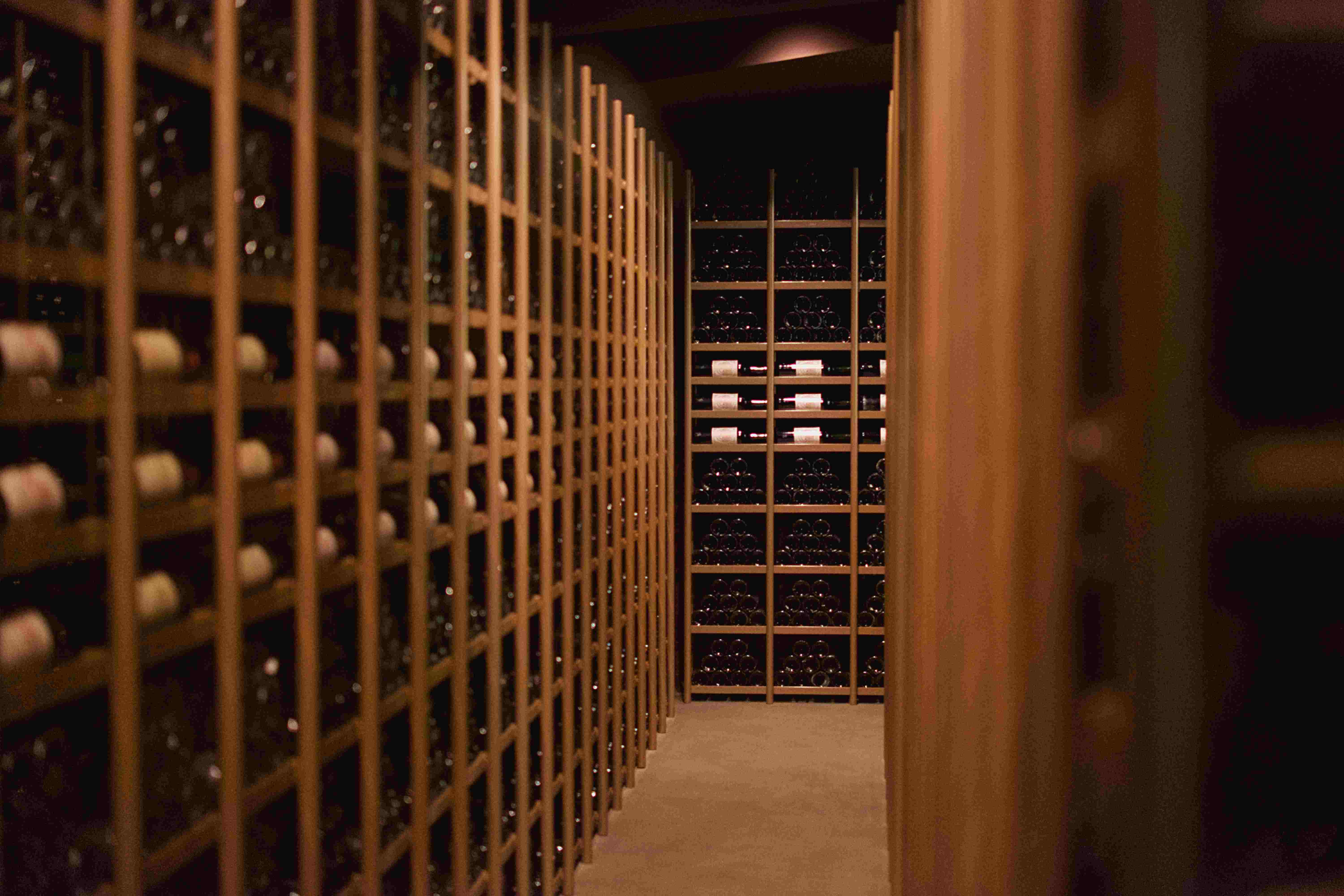
People see the wine I own and assume it is a luxury. My cellar is a teaching collection, and an expensive one to keep.
A blind tasting exam asks your palate to recognize things it can only learn by repetition. You cannot describe aged Hunter Valley Semillon at fifteen years unless you bought the bottle fifteen years ago and left it untouched since. There is no shortcut and no cramming. I keep around 400 bottles for study, not trophies, two or three examples of every classic style, replaced as I drink through them. The collection turns over faster than an ordinary cellar because its purpose is to be opened, not admired.
Wine costs what wine costs, and I have made my peace with that line. Storage is the cost no one warns you about. A rented, temperature-controlled space runs me £900 a year, and eight years in, that single quiet line on the spreadsheet has passed £6,000. The wine it once held is mostly gone, drunk in the name of education.
Tasting at the source
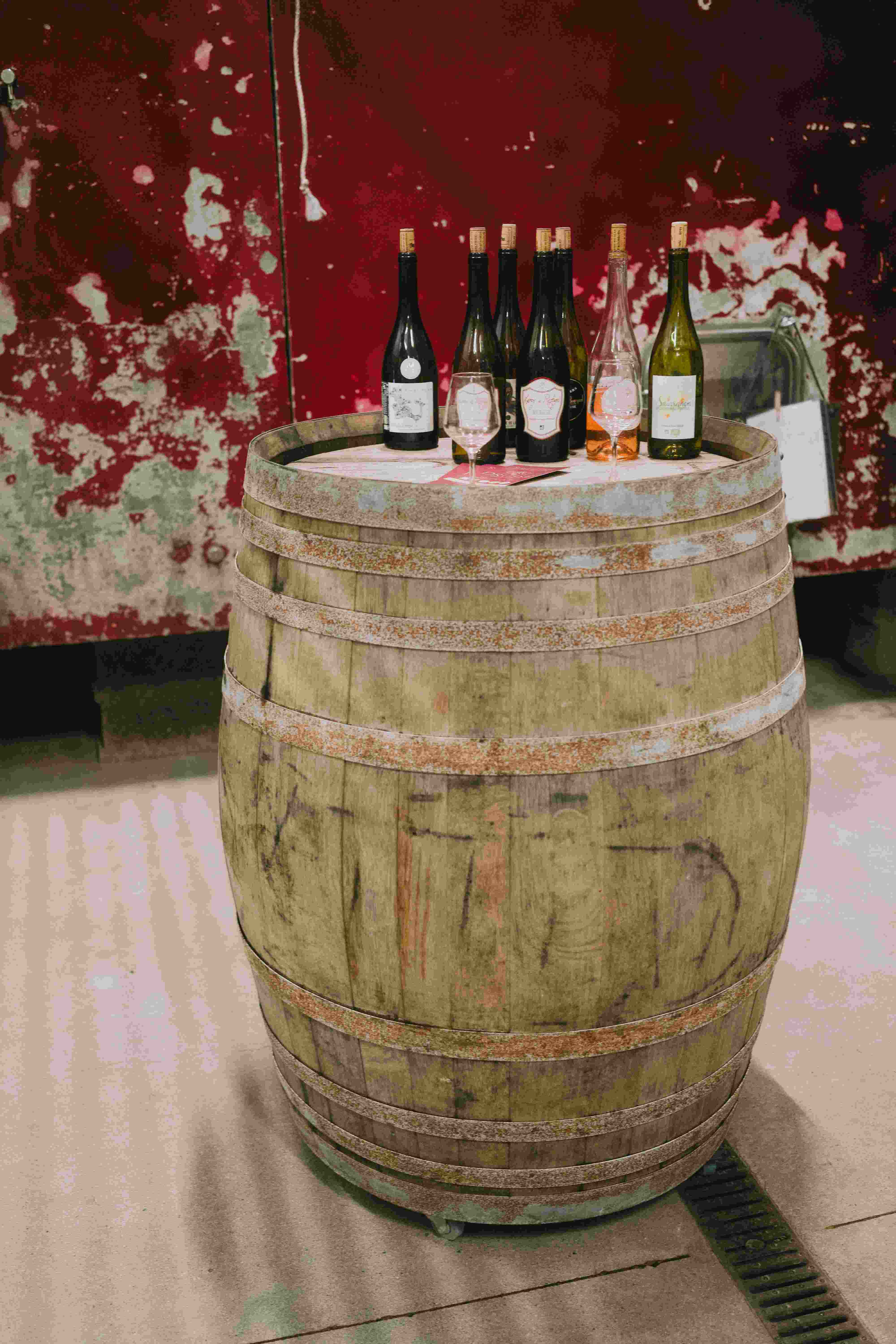
Twice a year I go to a wine region and taste at the source. Burgundy one trip, the Jura the next, Georgia the year I grew serious about qvevri wine. I could file these as holidays and feel better about the figure. They are not holidays. A producer visit is six to eight appointments in a day, a notebook filling up, a spit bucket, and by evening your teeth have gone grey.
The reason I refuse to cut this line is simple. A grower in a cold Loire cellar will tell you what went wrong in a difficult vintage, in detail, without flattery, and a hard vintage teaches more than an easy one ever will. No classroom in London sells that. Each trip costs me £2,000 to £3,500, I have taken roughly two a year for seven years, and I would not return a single visit for the money back.
There is a harder cost folded into all of this, and it comes from the corner of the trade I chose. I built my career in natural wine, the low-intervention end, and that decision raised the price of everything above. The MW syllabus rests on classic regions and conventional winemaking. A natural-wine specialist still has to master the Bordeaux classification and the German Prädikat ladder in full, while also keeping current with a movement the institutions only recently took seriously. I studied the conventional canon and the natural movement in equal depth, knowing only one half would appear on the exam.
The cellar pays for that choice too. Natural wine is made in small quantities by growers who do not export to convenient places. The benchmark bottles for my own specialty are harder to find and cost more per bottle than a comparable Burgundy. My collection costs more than a classmate’s for one plain reason. The wines I most need to know are made by someone farming four hectares in the Ardèche, and a grower that small cannot sell cheaply.
What I would do differently
The total, for me, will reach somewhere near £95,000 by the time I can put the two letters after my name. I am not telling you this to talk anyone out of it. The candidates I have watched struggle most are the ones who budgeted for the fee and treated everything else as a surprise.
If I started again, I would join a tasting group before enrolling, not after. A weekly group costs little against the program fee, and a year of trained palate before day one would have saved me a year of fees on the back end. I would also build the cellar slower and drink it more honestly. For two years I kept benchmark bottles for special occasions, which meant they sat there teaching me nothing. And I would keep the spreadsheet from the first WSET payment, with columns for travel and bottles and storage before a single column for fees, because the costs you never write down are the ones that quietly wreck the budget.
I sit my final practical next spring. Whether the qualification will return £95,000 of value is a question I cannot answer for anyone but myself. My own answer does not come from the title. It comes from a morning in a cold valley, a grower pouring a barrel sample, explaining without a trace of flattery exactly why it is not yet good enough to bottle. I have paid for that morning many times. Given the spreadsheet open in front of me, I would pay for it again.